This material may not be published, broadcast, rewritten, or redistributed. ©2026 Twincitieslocalnews - local news, local sports
By Twincitieslocalnews staff
Published: July 31, 2026 6:32pm
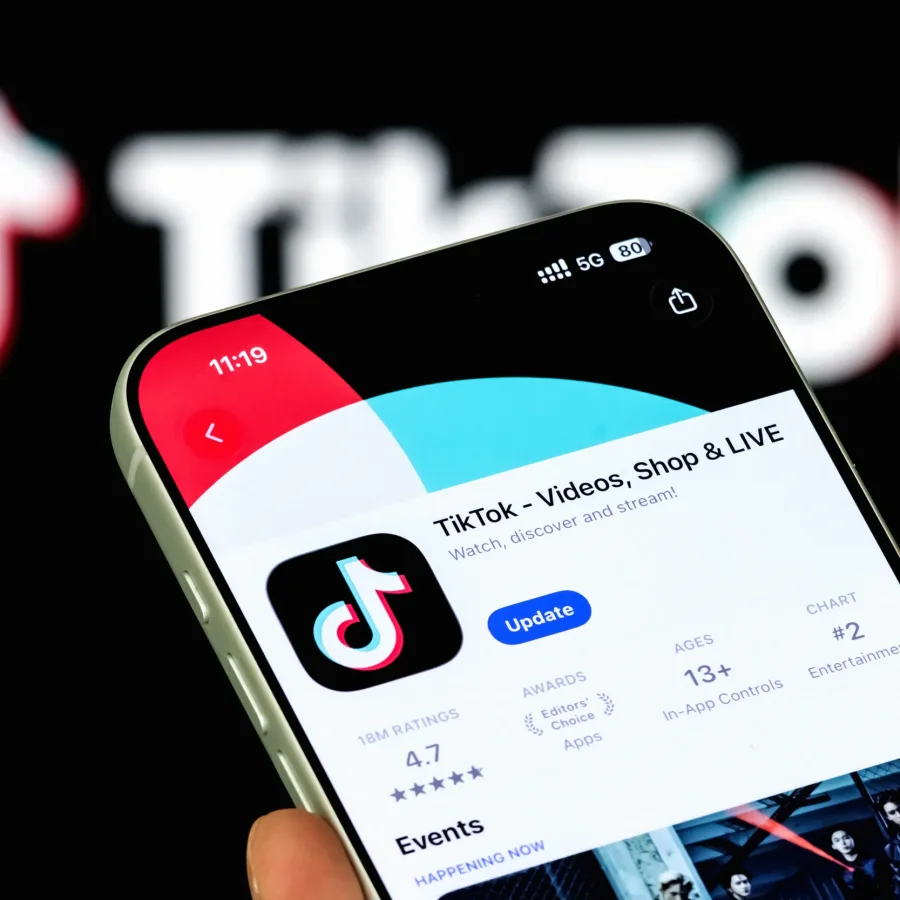
In recent months, TikTok users worldwide have raised alarms about the proliferation of fake scam accounts on the platform. These accounts, often masquerading as legitimate influencers or companies, have reportedly been deceiving users with fraudulent schemes, leading to financial loss and emotional distress. Despite numerous reports from users, TikTok's official response has left many frustrated, with claims that investigations frequently conclude with "no violations found."
The issue came into sharp focus when multiple users started sharing their experiences on social media, detailing how they reported suspicious accounts only to receive automated replies from TikTok stating that the reported content or accounts did not violate community guidelines. This has fueled concerns about the platform’s effectiveness in protecting its user base from scams.
One user, who requested anonymity, shared her ordeal of losing money after interacting with a seemingly trustworthy account. "I reported the account several times," she said, "but TikTok just sent back a message saying there was no violation. It felt like they didn’t take my case seriously."
Experts in online safety warn that the viral nature of TikTok content can make it an attractive hunting ground for scammers. These fake accounts often exploit trends and popular hashtags to reach large audiences quickly. The platform’s rapid growth and the volume of content make policing scams a challenging task, but users argue that stronger measures are needed.
TikTok, responding to the growing criticism, stated that they have systems in place to detect and remove fraudulent accounts and content, emphasizing their commitment to user safety. However, they also highlighted that not every reported case results in a violation, as they must carefully review each report to avoid false positives and protect legitimate users.
Despite these assurances, the disconnect between user experiences and TikTok’s responses has sparked a broader conversation about accountability and transparency on social media platforms. Some advocates are calling for clearer guidelines on what constitutes a violation and more direct communication with users about the outcomes of their reports.
As TikTok continues to be a dominant force in social media, the pressure to address these concerns grows. For many users, the hope is not only for a crackdown on fake scam accounts but also for a more responsive and trustworthy reporting system that truly safeguards the community.