By Twincitieslocalnews staff
Published: June 9,2026 3:39pm
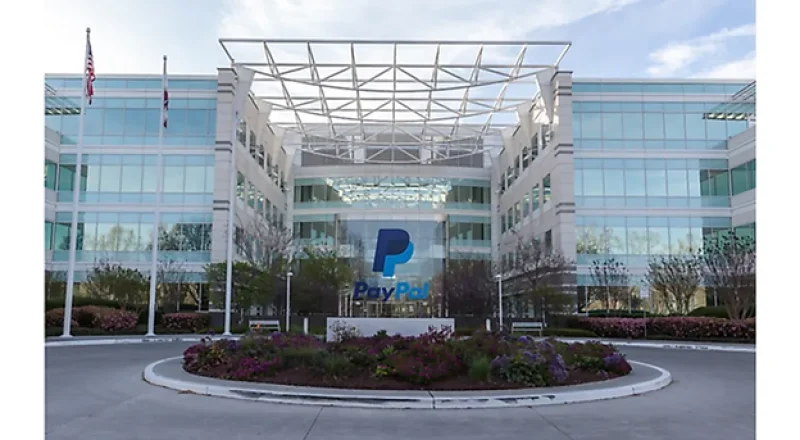
PayPal, one of the world’s most popular online payment platforms, is facing increasing scrutiny amid allegations that it has allowed fake businesses to open accounts and conduct transactions. As millions rely on PayPal for secure and convenient payments, reports of fraudulent activities tied to fake businesses have raised serious questions about the company’s verification and oversight processes. This controversy has sparked widespread concern from consumers, regulators, and industry experts alike about the safety and reliability of digital financial services.
Multiple reports have surfaced revealing that fraudulent enterprises, often operating as fake or shell companies, have successfully established PayPal accounts. These businesses then allegedly use the platform to scam unsuspecting customers, collect payments for non-existent goods or services, and disappear without delivering any value. Victims of these scams describe their experience of losing money and feeling powerless despite PayPal’s buyer protection programs.
Experts note that the root of the problem lies in how PayPal verifies businesses before approving their accounts. Critics argue that the current vetting procedures are insufficiently rigorous, allowing illegitimate operators to slip through the cracks.
Several consumers have shared their stories about falling victim to fake businesses accepting payments via PayPal. One individual recounted paying for a high-priced electronic device from a seller who used a seemingly legitimate PayPal business account, only to never receive the product or a refund. Others have reported losing money to fake service providers who vanished after collecting payments.
Consumer advocacy groups warn that these incidents erode trust in online payment systems, making users hesitant to engage in e-commerce or digital transactions. They emphasize that a single fraudulent transaction can cause significant financial and emotional damage to victims.
Financial technology experts note that online payment platforms face inherent difficulties in authenticating businesses quickly and accurately. The digital nature of these services means that verification must happen remotely, often relying on submitted documents and automated checks.
Experts recommend that companies like PayPal adopt multi-layered verification, including biometric checks, third-party data verification, and ongoing monitoring to detect irregularities. They also emphasize the importance of transparency in how businesses are vetted and how users can verify the legitimacy of sellers.
As PayPal and similar platforms work to improve their systems, consumers are urged to exercise caution, verify sellers independently, and report suspicious activity promptly. The ongoing dialogue among companies, regulators, and users will shape the future of trust and safety in the rapidly evolving world of digital commerce.
We have reached out to PayPal for comment and didn't hear back.